


Problem
Most Malaysian SMEs are running two systems
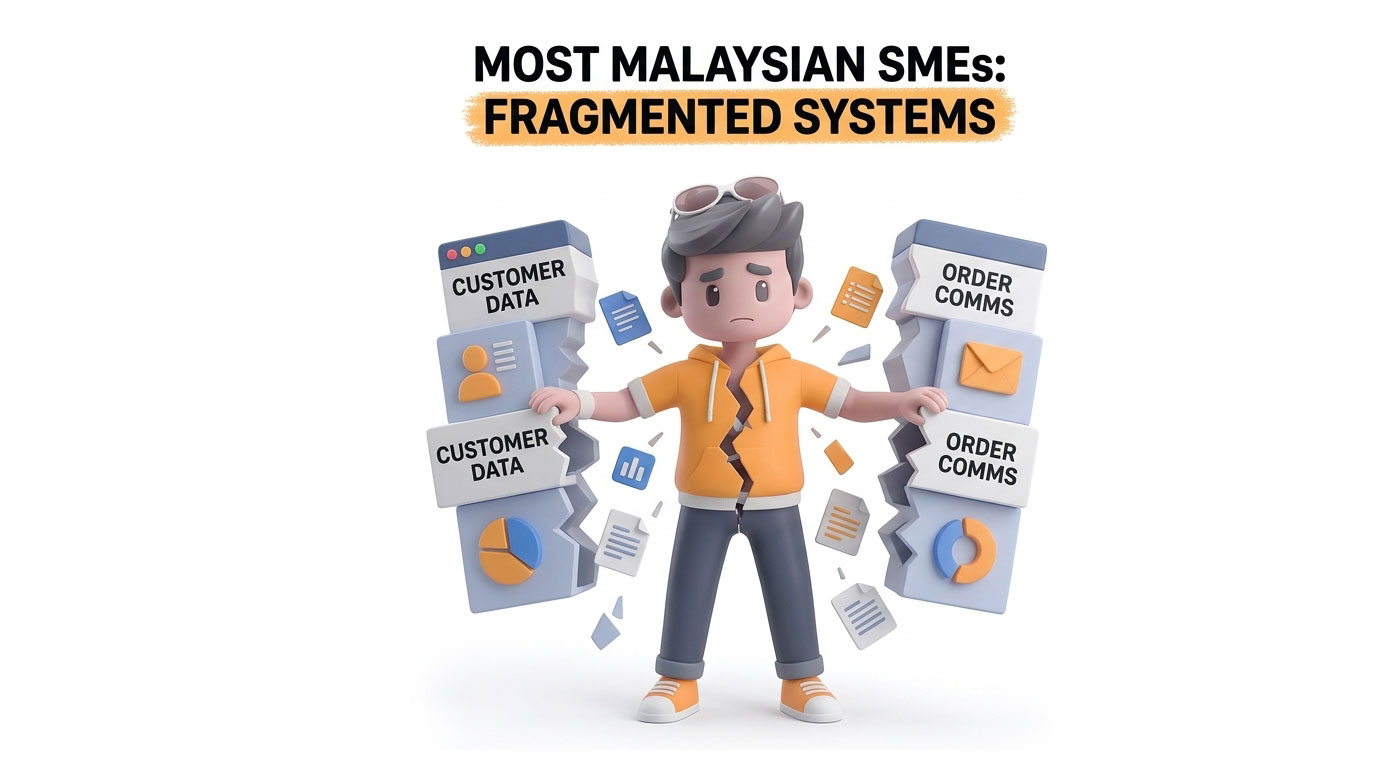
Walk into any small Malaysian café, retail shop, or clinic and you'll find the same picture. The owner has a phone packed with customer numbers — saved as "Auntie Lim ribbon shop" or "Encik Faizal Saturday regular". There's a loyalty program somewhere — a paper punch card, a stamp app, a notebook by the till. And there's a spreadsheet, sometimes two, that no one has updated since the last Hari Raya.
None of these talk to each other. The phone contact knows the customer's name. The punch card knows their visits. The spreadsheet knows their birthday. Nothing knows all three.
Solution
What if your loyalty program WAS your CRM
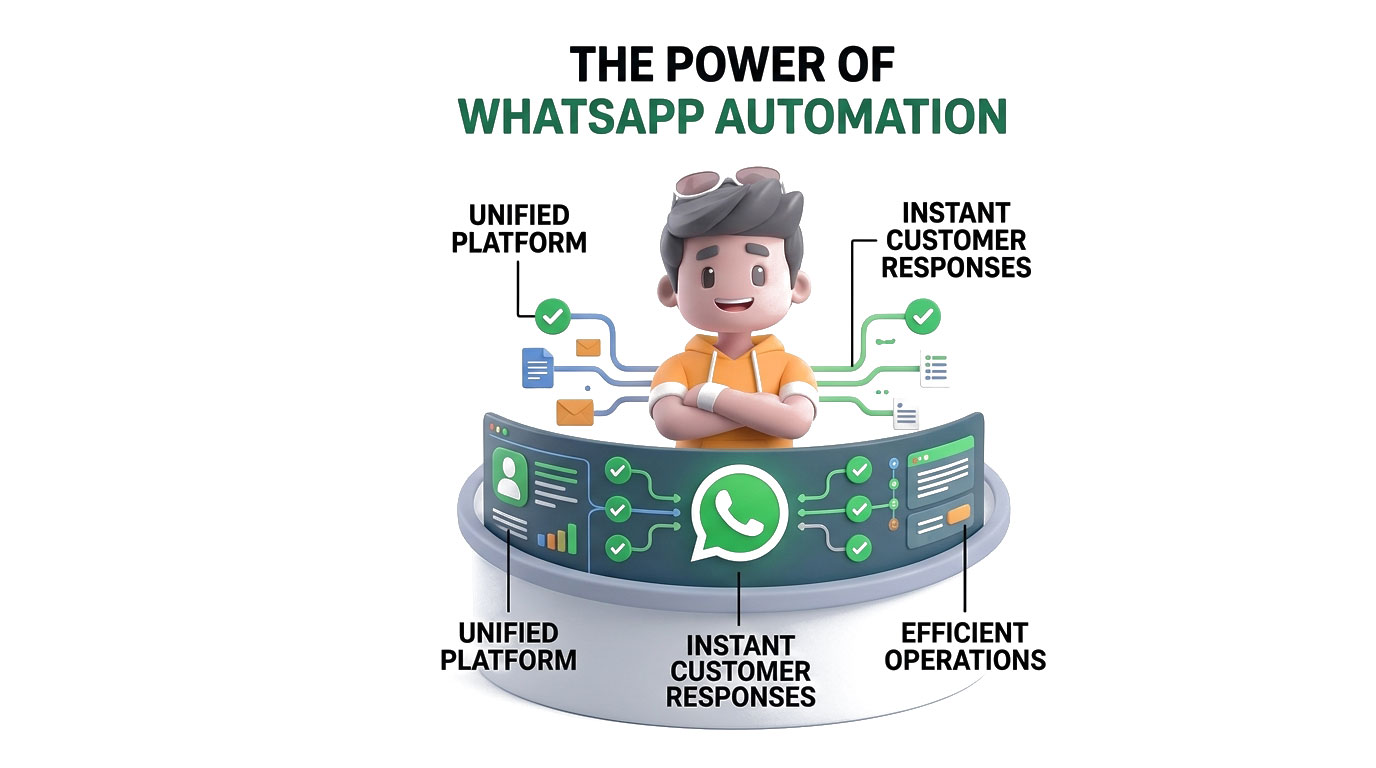
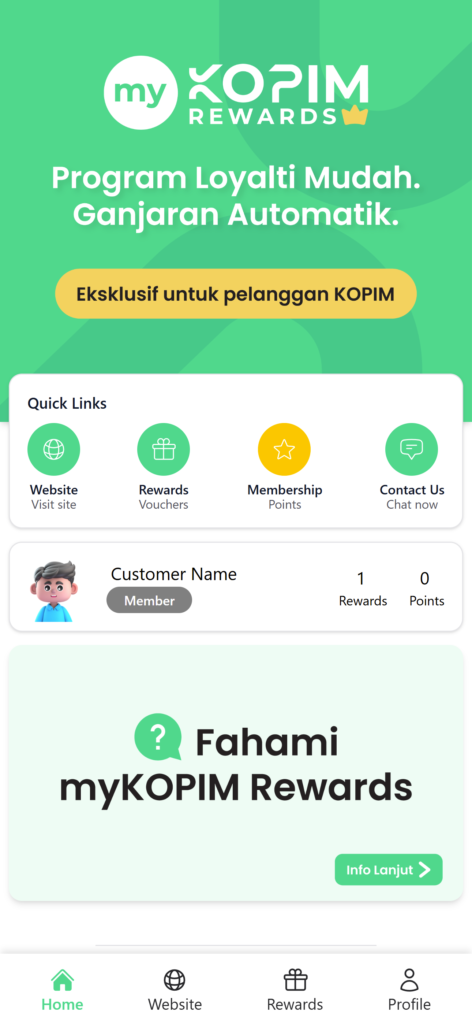
This is the simple idea Pixalink is built around: every customer who joins your loyalty program is, automatically, a CRM contact. Not synced. Not connected via integration. The same record.
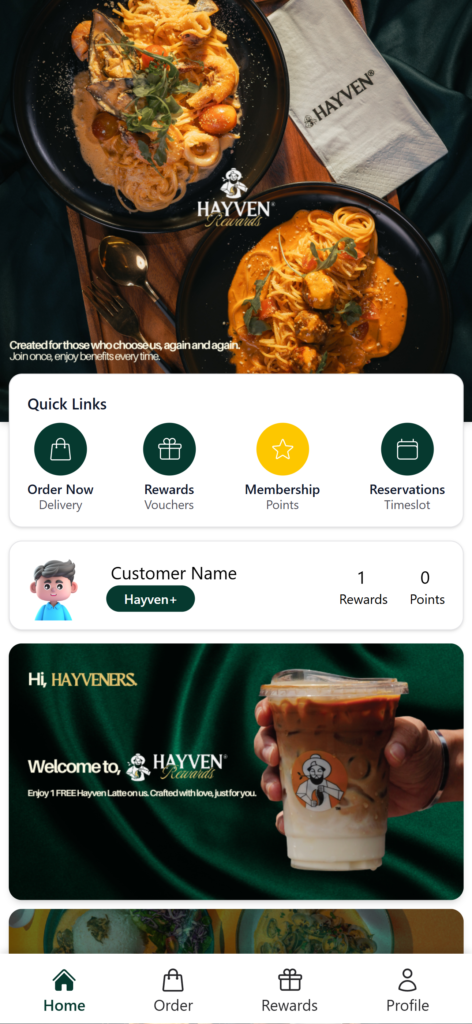
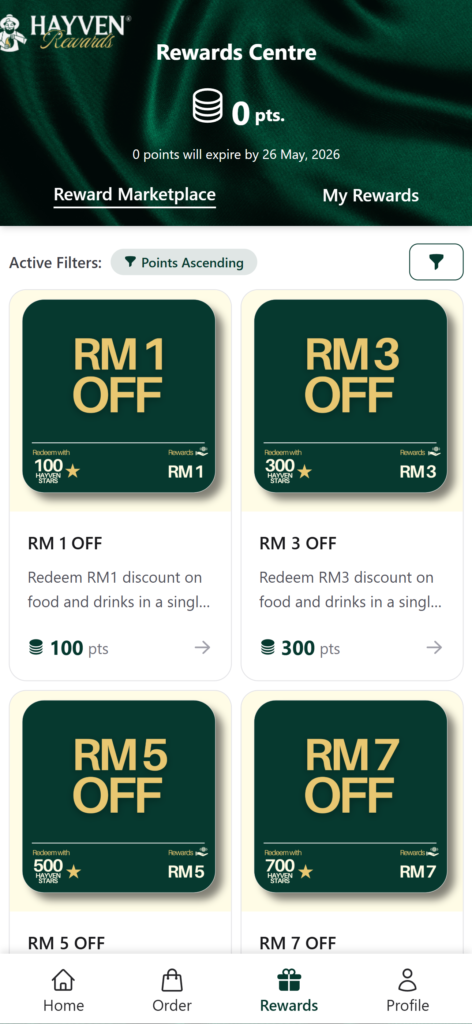
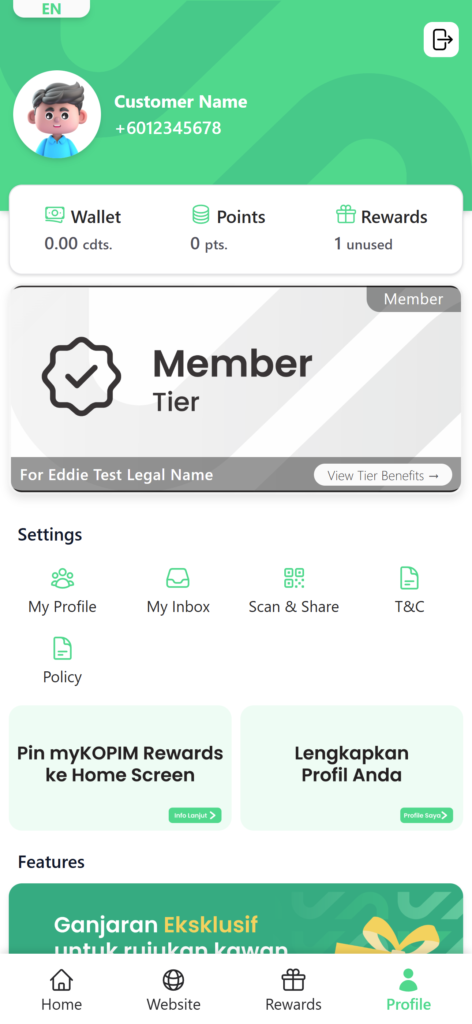
A customer scans the QR on your counter, sends a WhatsApp message, or taps your onboarding link. Two questions later (name, phone), they're in your loyalty program. At the same instant, a CRM record is created. Their first visit is logged. Their points balance starts. They get a tag based on where they joined from. And the next time they come back, the visit is added to their record. Automatically.
There's nothing to integrate. Nothing to sync. The CRM is the loyalty program. The loyalty program is the CRM. One platform, one customer database, one source of truth.
TAGGING
Smart tagging and automated segmentation
A massive database is useless if it isn't organised. Pixalink turns thousands of customer records into a marketing system you can actually use — without exporting, without spreadsheets, without a marketing manager.
Manual tags for what only you know
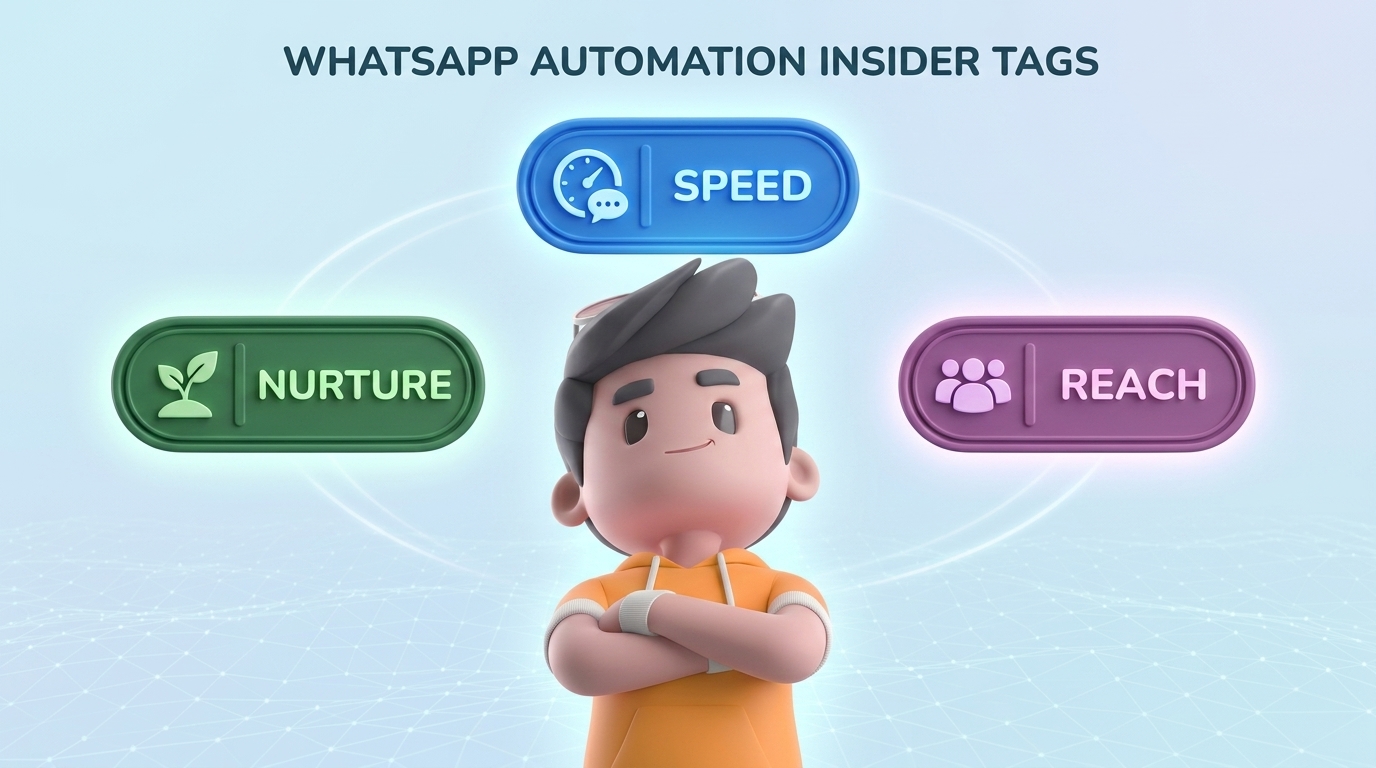
Some things only the owner knows. "Auntie Lim is allergic to peanuts." "Encik Faizal always brings his colleagues — give him the corner table." "This customer is the wife of the wholesaler." Manual tags let you encode that local knowledge directly onto the customer record so it doesn't disappear when the long-time staff member leaves.
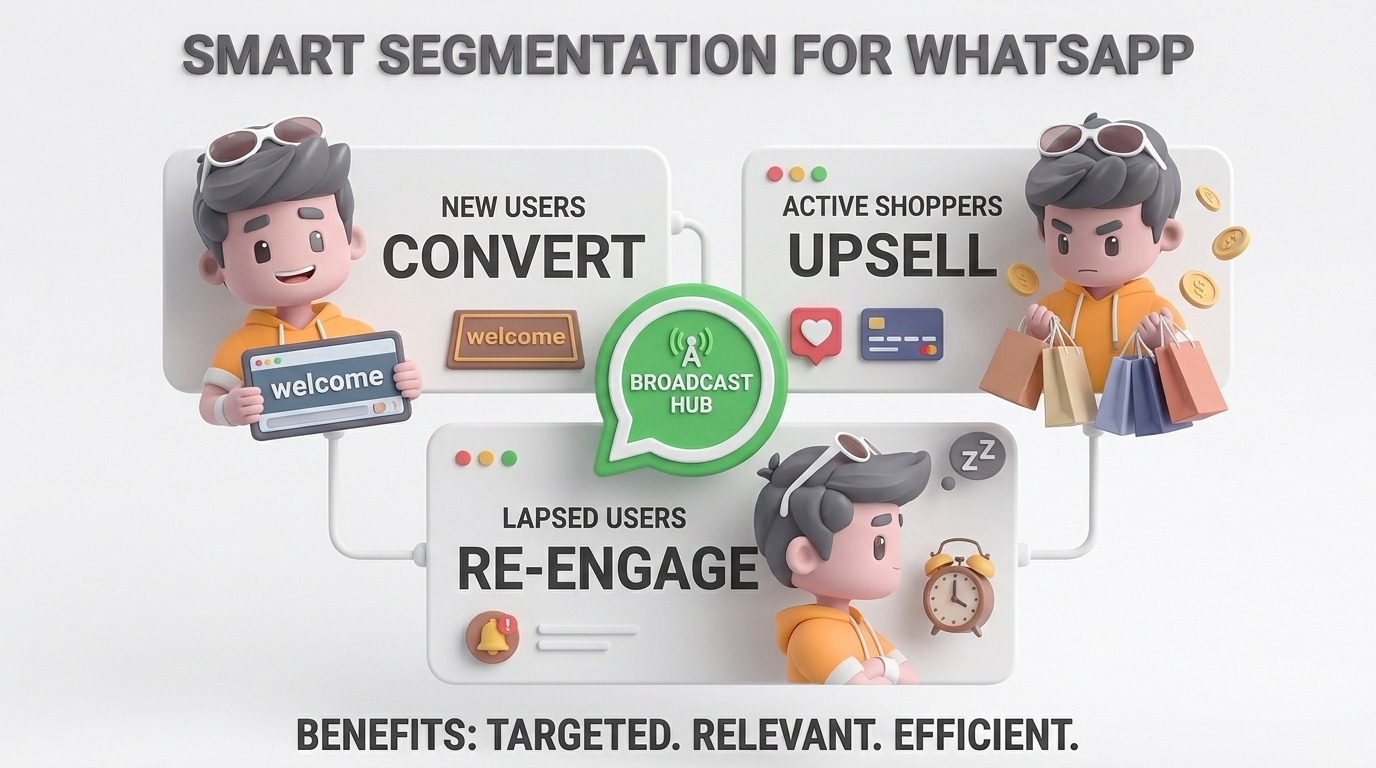
Segments that power your WhatsApp broadcasts
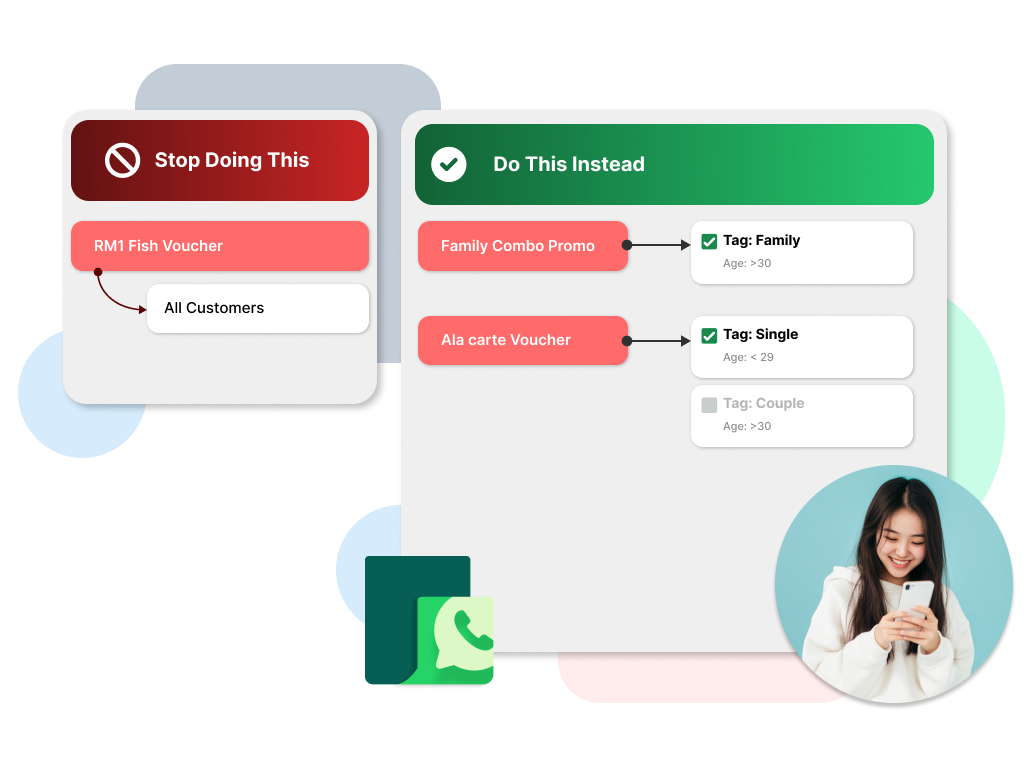
Tags become segments. Segments become targeted campaigns. Combine a manual tag ("Vegetarian") with an auto-tag ("Hasn't visited in 30 days") and you've got a precise list — vegetarian customers who used to come in but haven't lately. Send them the new vegan menu via WhatsApp. Ten messages, three returning customers. That's the entire value of a CRM, finally accessible to a small business owner.
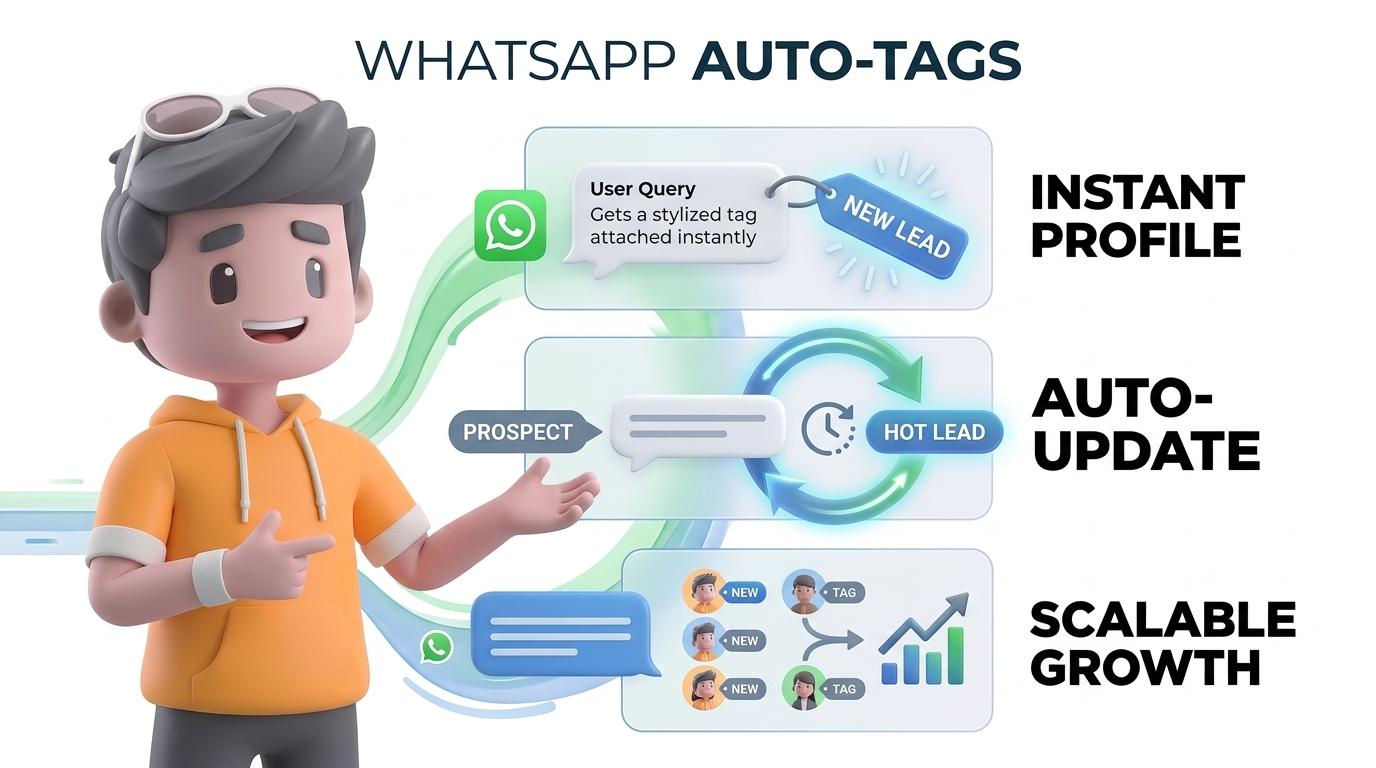
Auto-tags that update themselves
Auto-tags watch behaviour and update automatically. "Spent over RM 1,000 in the last 90 days." "Hasn't visited in 60 days." "Redeemed three vouchers this quarter." "Tier: Gold." When a customer crosses a threshold, the tag flips on. When they slip back, the tag flips off. You don't maintain anything — the system maintains itself.
Feedback
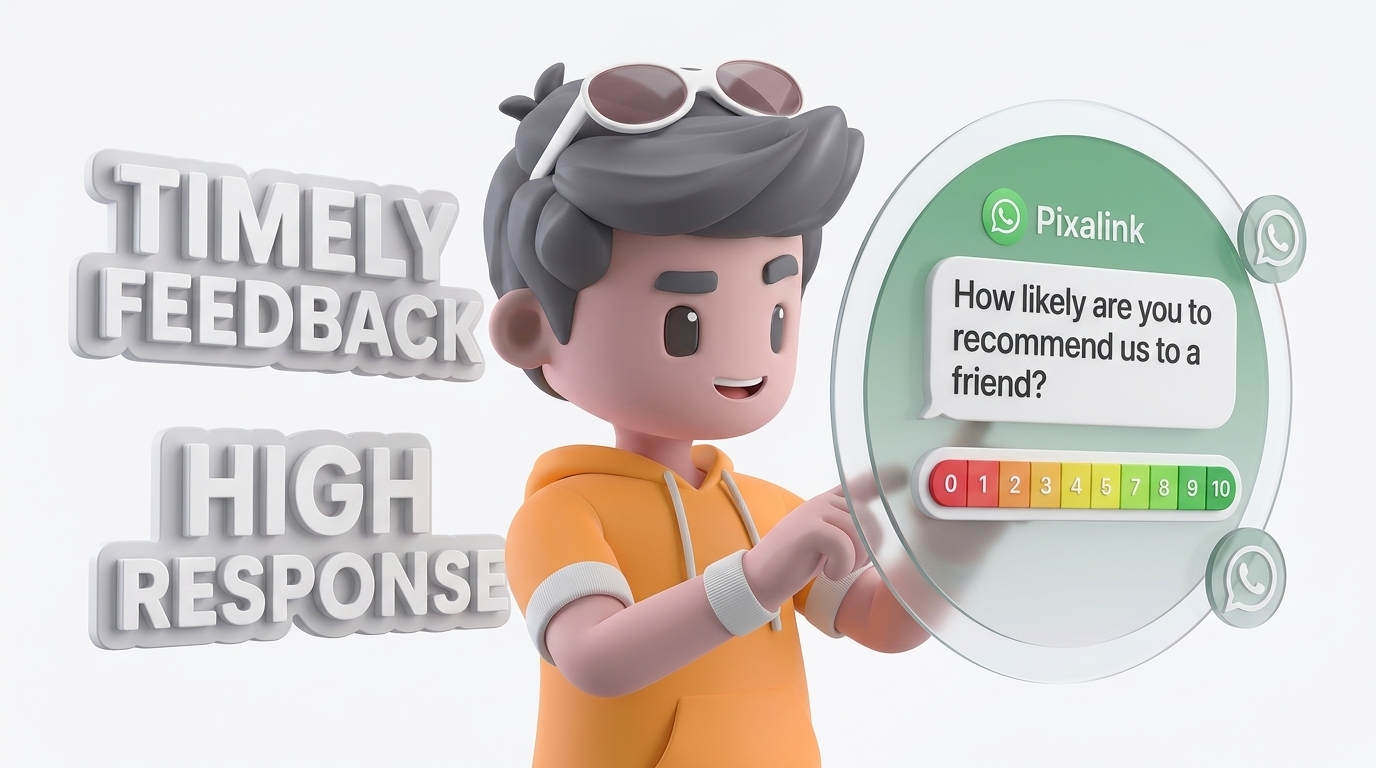
Net Promoter Score (NPS)
NPS asks one question: "How likely are you to recommend us to a friend?" Pixalink sends the NPS prompt via WhatsApp at the right moment in the customer journey, attaches the score (0–10) to the customer's CRM record, and automatically tags them as a Promoter (9–10), Passive (7–8), or Detractor (0–6). Promoters get an immediate referral nudge. Detractors get a personal recovery message from the owner. You stop hoping you're loved. You start measuring it.
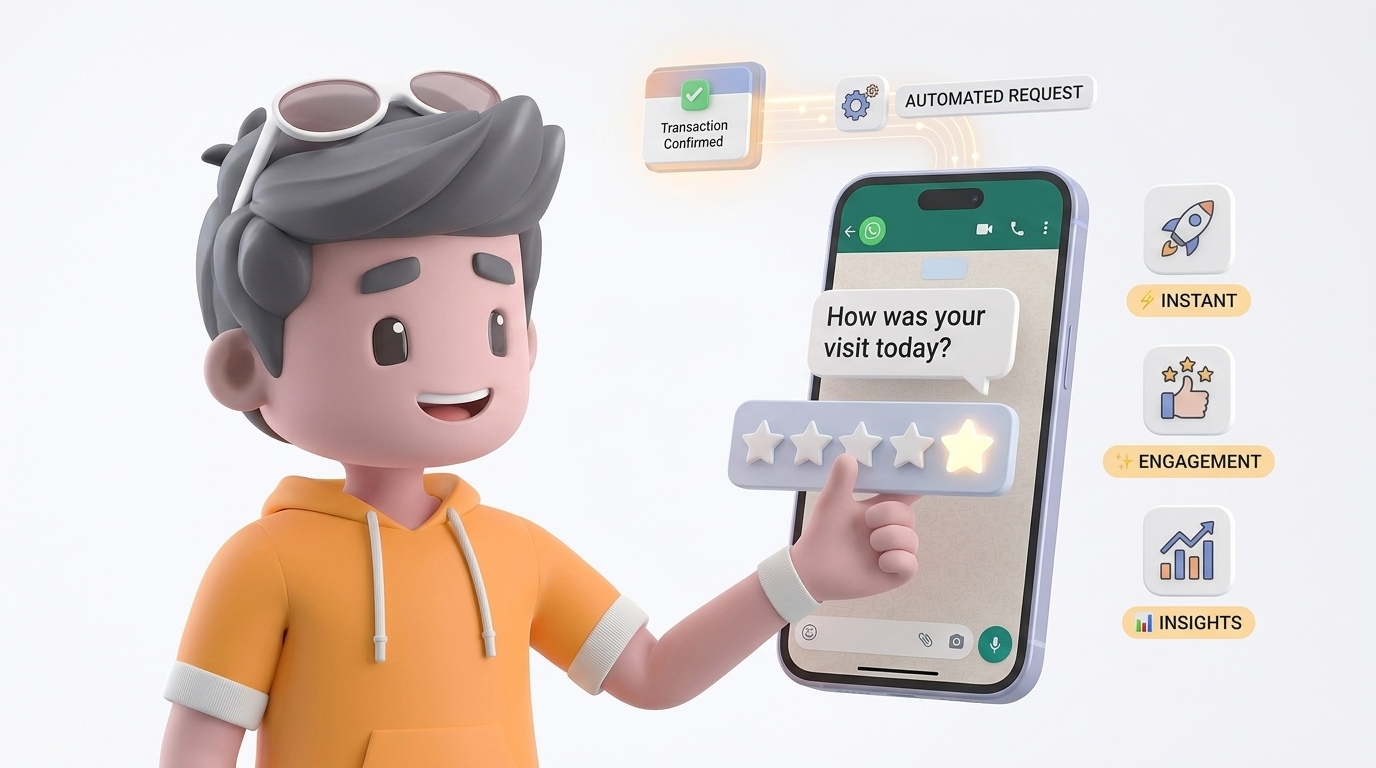
Customer Satisfaction (CSAT)
CSAT is the short, transactional check-in: "How was your visit today?" Sent right after a transaction or appointment, CSAT catches problems while they're still fixable. A 1-star rating triggers an instant alert to the owner. A 5-star rating triggers an automatic thank-you voucher. The CRM stores the rating against the customer's record — so over time, you can see whose experience is trending up and whose is slipping.
Frequently asked questions
Walk into any small Malaysian café, retail shop, or clinic and you'll find the same picture. The owner has a phone packed with customer numbers — saved as "Auntie Lim ribbon shop" or "Encik Faizal Saturday regular". There's a loyalty program somewhere — a paper punch card, a stamp app, a notebook by the till. And there's a spreadsheet, sometimes two, that no one has updated since the last Hari Raya.
None of these talk to each other. The phone contact knows the customer's name. The punch card knows their visits. The spreadsheet knows their birthday. Nothing knows all three.